Revolutionizing Government: OpenAI's Tailored ChatGPT for U.S. Administration
The intersection of artificial intelligence (AI) and governance is increasingly becoming a strategic frontier. OpenAI, a leader in AI technology, unveiled its latest innovation: ChatGPT for government—a version specifically designed to empower U.S. government agencies. This development not only underscores the growing synergy between AI advancements and public sector efficiency but also marks a pivotal step in governmental digital transformation.
Meeting the Unique Needs of Government Agencies
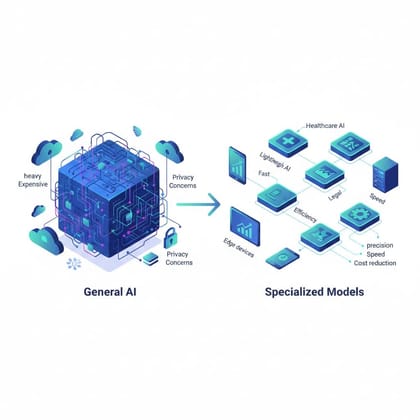
OpenAI's announcement is a testament to its commitment to customize AI technologies to meet varied client needs. The introduction of ChatGPT for government reflects an understanding of the distinct challenges and operational dynamics faced by public sector entities. By offering a GPT model tailored specifically for governmental use, OpenAI aims to improve decision-making processes, streamline operations, and enhance communication within and across federal agencies.
Here are a few distinctive features designed for government applications:
- Enhanced Security Protocols: Recognizing the sensitivity of governmental data, ChatGPT integrates robust security measures to ensure data privacy and protection, aligning with government compliance and regulatory standards.
- Customizable Training Models: Agencies can adapt the AI to fit specific terminologies, workflows, and operational contexts, enabling a personalized integration that complements existing systems.
- Scalability: The model is designed to handle the scale and complexity of federal operations, ensuring seamless functioning even with extensive data loads and diverse informational inputs.
Bolstering Public Sector Efficiency
Incorporating AI like ChatGPT into government processes heralds numerous potential benefits:
- Improved Decision-Making: With AI's analytical capabilities, policymakers and administrators can access deeper insights and predictive analytics, facilitating data-driven decision-making.
- Streamlined Communication: AI-powered platforms can enhance internal communication strategies and external public engagement, offering faster and more accurate information dissemination.
- Operational Efficiency: Automation of routine processes can significantly reduce operational backlogs, allowing human resources to focus on more strategic tasks.
Navigating Challenges: Ethical and Practical Considerations
As with any integration of cutting-edge technology, the deployment of AI in government systems invites important discussions around ethical use, accountability, and data integrity. OpenAI emphasizes its dedication to ethical AI usage, ensuring the technology not only complies with legal frameworks but also evolves with transparency and responsibility to avoid misuse.
Future Prospects
The introduction of ChatGPT for government opens up avenues for AI application in areas such as public service, policy simulation, and citizen engagement. As federal agencies begin to harness the capabilities of this tailored AI, the implications for public sector innovation are vast and promising.
Applications could include:
- Enhanced Public Services: AI can help create more responsive and user-friendly digital interfaces for citizens, improving accessibility and satisfaction.
- Policy Development: Simulations powered by AI can serve as valuable tools in assessing policy impacts before implementation.
- Crisis Management: During emergencies, AI can support real-time analysis and resource allocation, aiding in effective crisis response.
Conclusion
OpenAI's ChatGPT for government is more than just a technological advancement—it's a catalyst for transformative change within federal administration. By embracing AI with such dedicated adaptations, government entities can not only enhance operational efficiencies but also pave the way for a forward-looking, tech-integrated governance model. As AI continues to evolve, its potential to benefit public sectors through innovation and efficiency holds great promise for the future of government operations.