Below is a rewritten version of an article suitable for a tech blog with a focus on current technology trends:
The Rise of AI in Graphic Design: Opportunity or Threat?
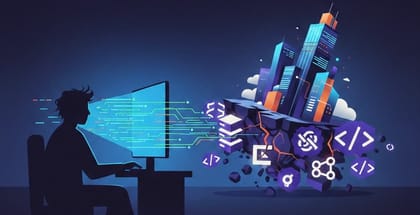
Artificial Intelligence (AI) continues to infiltrate various industries, redefining traditional roles and processes. The graphic design field is no exception, as AI-driven tools become more sophisticated, offering new possibilities and challenges to designers.
AI-Powered Design: The Current Landscape
In recent years, we've witnessed a surge in AI-driven design platforms like Adobe's Sensei, Canva's Magic Resize, and AutoDraw by Google. These tools streamline the design process by automating repetitive tasks, such as layout adjustments and color correction, empowering designers to focus on more creative aspects of their work.
Key Features of AI Design Tools:
- Automated Layout Suggestions: AI analyzes design elements and suggests optimal layouts.
- Enhanced Image Editing: Machine learning algorithms improve tasks like object removal and photo enhancement.
- Design Consistency: Ensures uniformity across multiple design platforms and materials.
The Impact: Efficiency Meets Creativity
AI's integration into graphic design enhances productivity by reducing the time spent on routine tasks. According to a recent study by McKinsey, AI can potentially automate up to 30% of design tasks within the next decade. This shift allows designers to allocate more time to ideation and innovation.
Benefits of AI in Design:
- Increased Efficiency: Faster completion of baseline design tasks.
- Creative Freedom: More time to experiment with novel concepts and high-level design elements.
- Cost Reduction: AI tools can cut costs associated with manual processes, making design services more accessible.
Challenges and Ethical Considerations
While AI offers incredible advantages, it also raises pivotal questions regarding job displacement and creative authenticity. Many fear that AI could render certain design roles obsolete; however, the general consensus is that AI serves more as a complement to human creativity than a replacement.
Key Concerns:
- Job Security: Potential reduction in demand for entry-level design positions.
- Creative Autonomy: Dependence on AI may limit original thought and human touch.
- Intellectual Property: Ownership issues concerning AI-generated artwork.
The Road Ahead: Adaptation is Key
For graphic designers, embracing AI is no longer optional but necessary. Staying relevant means continuously learning and adapting to new tools and technologies. Engaging with AI not only enhances technical skills but also opens up new avenues for creative exploration.
Steps Designers Can Take:
- Continuous Learning: Enroll in online courses focused on AI and machine learning in design.
- Experimentation: Use AI tools in personal projects to explore their capabilities.
- Collaboration: Network with tech professionals to understand AI's broader implications in design.
Conclusion: A Symbiotic Relationship
The narrative of AI in graphic design is not one of competition but of collaboration. As AI evolves, it beckons designers to harness its power while continuing to bring the unique insights and emotional intelligence that only humans can offer. By striking a balance between technology and creativity, the role of AI in graphic design can lead to innovative breakthroughs and redefine the future of visual communication.
As we navigate this era of technological advancement, embracing change and viewing AI as an ally will be crucial for designers aiming to thrive in an AI-augmented industry.
This updated article reflects current AI trends and emphasizes the importance of adaptation in the ever-evolving field of graphic design.