Reimagining the Digital Landscape: Trends in AR and AI Design
The world of digital design is continuously evolving, with augmented reality (AR) and artificial intelligence (AI) at the forefront of innovation. As technology advances, designers are finding new ways to integrate these technologies into their creative processes, offering unique experiences that were once thought impossible. This article examines how AR and AI are shaping the future of digital design and explores the latest trends in this dynamic field.
The Rise of Augmented Reality in Design
Augmented reality has rapidly transitioned from a futuristic concept to a tangible tool in the hands of digital creators. By overlaying digital elements onto the real world, AR offers an interactive experience that enhances the user's perception of reality. Here's how AR is making waves in the design industry:
- Enhanced User Engagement: AR provides an immersive experience, capturing the user's attention and making digital interactions more engaging than ever before. This is particularly impactful in fields such as marketing and advertising, where capturing and maintaining user interest is crucial.
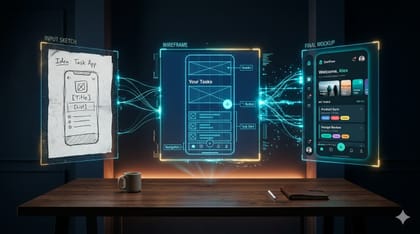
- Interactive Prototypes: Designers can create interactive prototypes using AR, allowing stakeholders to visualize products in a real-world context. This approach can accelerate the iteration process and lead to more refined product designs.
- Training and Education: AR is being used to develop training programs that simulate real-life scenarios, offering hands-on learning experiences across industries like healthcare, engineering, and retail.
Recent data indicates that the AR market is projected to grow exponentially, suggesting that its integration into design practices will continue to expand.
The Role of Artificial Intelligence in Creative Processes
Artificial intelligence is revolutionizing the way designers conceptualize and create. By analyzing vast amounts of data, AI can offer insights and automate various aspects of the design process. Let's delve into how AI is transforming design:
- Data-Driven Design: AI can analyze user behavior and preferences, providing designers with valuable insights to create personalized and targeted experiences. This means designs are not only visually appealing but also aligned with user expectations.
- Creative Assistance: AI-powered tools can generate design suggestions based on current trends and user data. These tools act as creative partners, offering options that designers might not have considered, thus stimulating creative exploration.
- Automation of Routine Tasks: AI can automate repetitive design tasks, freeing designers to focus on more complex and creative aspects of their projects. This includes tasks such as resizing images, color matching, and layout adjustments.
According to recent studies, the adoption of AI in creative industries is set to increase, offering a plethora of opportunities for efficiency and innovation.
Bridging the Gap: AR and AI in Unified Design
One of the most exciting trends in digital design is the convergence of AR and AI. Together, these technologies create a synergy that enhances user experiences and streamlines design workflows. Here are a few ways AR and AI work together:
- Smart Augmented Reality: AI algorithms can enhance AR experiences by providing real-time analysis and adjustments based on user interactions. This results in more intuitive and responsive applications.
- AI-Driven AR Content Creation: AI can generate and optimize AR content, making it more accessible for designers without extensive technical expertise. This democratization of content creation leads to a broader range of applications and innovations.
- Predictive Design Enhancements: By leveraging AI predictions, AR applications can be adjusted to anticipate user needs and preferences, leading to more personalized and effective user experiences.
Looking Forward: The Future of Digital Design
As AR and AI continue to mature, the potential applications in digital design are boundless. Designers who embrace these technologies will not only enhance their creative capabilities but also set new benchmarks in the industry. To stay competitive, it is crucial for designers to remain adaptable and open to integrating these technologies into their workflows.
In the ever-evolving digital landscape, AR and AI are not just tools—they are catalysts for innovation and change. As they continue to shape the future of design, the possibilities for creating impactful and meaningful experiences are endless.
Embrace the power of AR and AI, and prepare to redefine the standards of digital design. The future is not just around the corner; it's already here, reshaping how we interact with the world one digital experience at a time.