The Evolution of Illustration in the Digital Age
In the rapidly evolving world of digital media, illustration continues to carve a significant niche for itself. It's a space where creativity meets technology, offering artists unprecedented tools to express their ideas. As we navigate through 2025, digital illustration is not only a favored medium for creative expression but is also pivotal in shaping how stories are told across various platforms.
The Rise of Digital Illustration
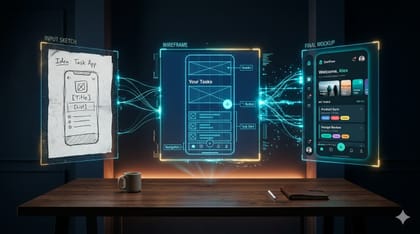
Illustrations today have transcended traditional pen and paper, thanks to the surge of sophisticated digital tools. Software like Adobe Illustrator and Procreate have revolutionized the way artists work, allowing for more complex, intricate, and versatile designs. These tools provide infinite possibilities, bridging the gap between an artist's vision and the final product.
Moreover, the rise of tablets and styluses as primary tools for illustrators has introduced a new level of convenience and precision. Devices such as the iPad Pro with Apple Pencil or the Wacom Cintiq offer artists the ability to take their creative workspace anywhere, making it easier than ever to capture inspiration on the go.
AI and Illustration
Perhaps one of the most intriguing trends in 2025 is the integration of artificial intelligence (AI) in illustration. AI-driven platforms like DALL-E and Midjourney are enabling artists to explore new creative horizons. These tools can generate unique visual concepts based on text prompts, serving as an inspiration for illustrators or even collaborating actively in the process of art creation.
AI's role in illustration is multifaceted. It accelerates the creation process, handles repetitive tasks, and provides innovative design suggestions. While some argue that this encroaches on traditional artistic skills, others embrace it as a partner in creativity, pushing the boundaries of what is possible.
Illustrating for the Metaverse
As conversations around the metaverse gain traction, the demand for illustrators who can create immersive digital environments is at an all-time high. The metaverse offers a three-dimensional space where digital art and illustration play a critical role in user experience. Artists are now tasked with designing avatars, virtual landscapes, and interactive elements, blending creativity with user-centric design.
Illustrators working in the metaverse must adapt to new challenges, such as understanding the principles of 3D design and interactive storytelling. Programs like Blender and Adobe Dimension are essential tools in this field, allowing illustrators to craft detailed and dynamic environments.
The Importance of Online Presence
In this digital age, an illustrator's online portfolio is as important as their body of work. Platforms such as Instagram, ArtStation, and Behance have become key spaces for illustrators to showcase their talent, gain exposure, and connect with potential clients. Building a strong online presence is crucial for success in the modern market, where visibility can directly translate to career opportunities.
Furthermore, online galleries and blockchain technology have given rise to non-fungible tokens (NFTs), offering illustrators a new avenue for monetizing their art. By creating limited edition digital artworks, artists can sell their work in a decentralized and secure manner, reaching a global market of collectors.
Conclusion
The intersection of technology and art has opened new vistas for illustrators, blending creativity with innovation. As we continue to embrace these changes, the key to thriving as an illustrator in 2025 lies in adaptability and the willingness to explore new tools and platforms. Whether through AI, the metaverse, or digital marketplaces, the world of illustration is expanding, offering unprecedented opportunities to captivate audiences with captivating visual narratives.