Apple's Siri and the Dialogue on Privacy: Navigating the Modern Tech Landscape
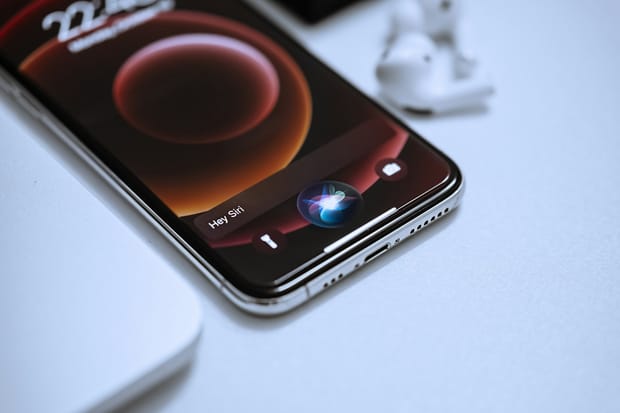
In the ever-evolving world of technology, privacy remains a paramount concern for consumers and developers alike. Apple's voice assistant, Siri, has recently come under scrutiny, highlighting the delicate balance between technological advancement and user privacy. This article delves into the ongoing debate surrounding voice assistants and privacy, and how Apple is addressing these concerns in 2023.
The Rise of Voice Assistants
Voice assistants have moved from novelty to necessity, transforming how we interact with our devices. Siri, initially launched by Apple in 2011, was a game-changer, setting the stage for how voice commands could be integrated into daily tech use. Fast forward to 2023, and voice assistants have become ubiquitous, embedded in smartphones, smart home devices, and even cars.
Key Drivers of Adoption:
- Convenience: Voice assistants offer hands-free device operation, making multitasking easier.
- Accessibility: They provide access to technology for individuals with disabilities, enhancing inclusivity.
- Integration with IoT: As the Internet of Things (IoT) expands, voice assistants are essential for managing connected devices seamlessly.
Privacy Concerns: The Eavesdropping Dilemma
Despite their benefits, voice assistants have sparked debates over privacy, particularly concerning accidental recordings and data usage. Recent reports have suggested that devices might inadvertently record conversations without activation, raising alarms among privacy advocates.
Privacy Challenges:
- Unintentional Activations: There are instances where voice assistants misinterpret wake words, leading to unintended recordings.
- Data Management: Questions about how companies like Apple store, process, and secure voice data persist.
- Third-party Access: Concerns over who has access to voice recordings, including contractors and third-party developers.
Apple's Proactive Privacy Measures
In response to these concerns, Apple has made strides to bolster privacy features and assure users of their commitment to safeguarding personal data. The company has consistently positioned itself as a leader in consumer privacy, often emphasizing that customer data protection is a core value.
Key Privacy Initiatives by Apple:
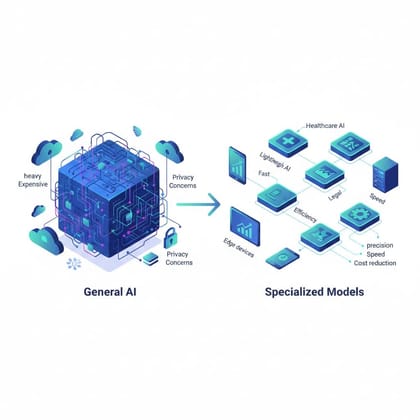
- On-Device Processing: Most Siri requests are now processed directly on the device, minimizing data sent to the cloud.
- Transparency Reports: Apple publishes regular reports detailing government requests for data and user privacy measures.
- User Control: Enhanced privacy settings allow users to manage voice data, including the option to delete history and disable recordings.
The Future of Voice Assistants and Privacy
As technology continues to advance, the conversation around privacy will need to adapt. Artificial intelligence and machine learning capabilities are expanding what voice assistants can do, but with great power comes great responsibility.
Emerging Trends:
- Federated Learning: This machine learning method allows systems to learn from a broad range of data without leaving individual devices, enhancing privacy.
- Voice Biometrics: Innovations in identifying users by voice alone could add an additional layer of security but raise new privacy questions.
- Regulatory Influence: Governments worldwide are starting to implement stricter regulations around data privacy, which will shape future developments in voice technology.
Conclusion
While voice assistants like Siri continue to transform tech interactions, ensuring robust user privacy is critical. Apple's recent advancements suggest a commitment to addressing these challenges, but ongoing innovation and vigilance will be necessary to maintain consumer trust. As we look to the future, balancing technological growth and privacy will remain a pivotal aspect of the tech industry's evolution. Users are encouraged to stay informed and proactive about set privacy settings and data usage for a safer, more trustworthy digital experience.